Follow-up shockwave care
One treatment area
$150
Focused shockwave
Radial shockwave when indicated
Class IV laser post-shockwave care
Rapid Release and guided exercise
Selected Low Back Presentations
More Than Just Shockwave.
A physical therapist-guided approach for selected muscular and soft-tissue contributors to persistent low back discomfort.
Explore by concern
The treatment journey
Real care · Real clinic
Transparent pricing
Focused shockwave care is self-pay. The treatment plan may include several tools, but there is no separate add-on fee for the supporting services listed below when they are clinically appropriate.
Follow-up shockwave care
$150
Your first visit
A clinical evaluation is required before your first shockwave treatment.
Using insurance
Shockwave remains self-pay. If your plan includes applicable physical therapy benefits, the evaluation and other eligible PT services may be covered or reimbursable after your deductible is met. Coverage depends on your individual plan.
Google Reviews
★★★★★
“YW has helped my pain and mobility issues more than any other practitioner… The focused shockwave has been the only modality to help.”
★★★★★
“Eric used shockwave therapy and it made a huge difference. The tension eased up after just a couple sessions.”
Individual experiences and results may vary. Reviews reflect personal experiences and are not a guarantee of future outcomes.
Low Back Discomfort
Low back symptoms can arise from many sources. Shockwave is not presented as a treatment that repairs discs, reverses arthritis, or corrects structural spinal changes.
01 · Assess
Evaluate symptom behavior, lumbar and hip movement, functional tolerance, muscular tenderness, and relevant loading patterns.
YW Physical Therapy · Step 01
02 · Region
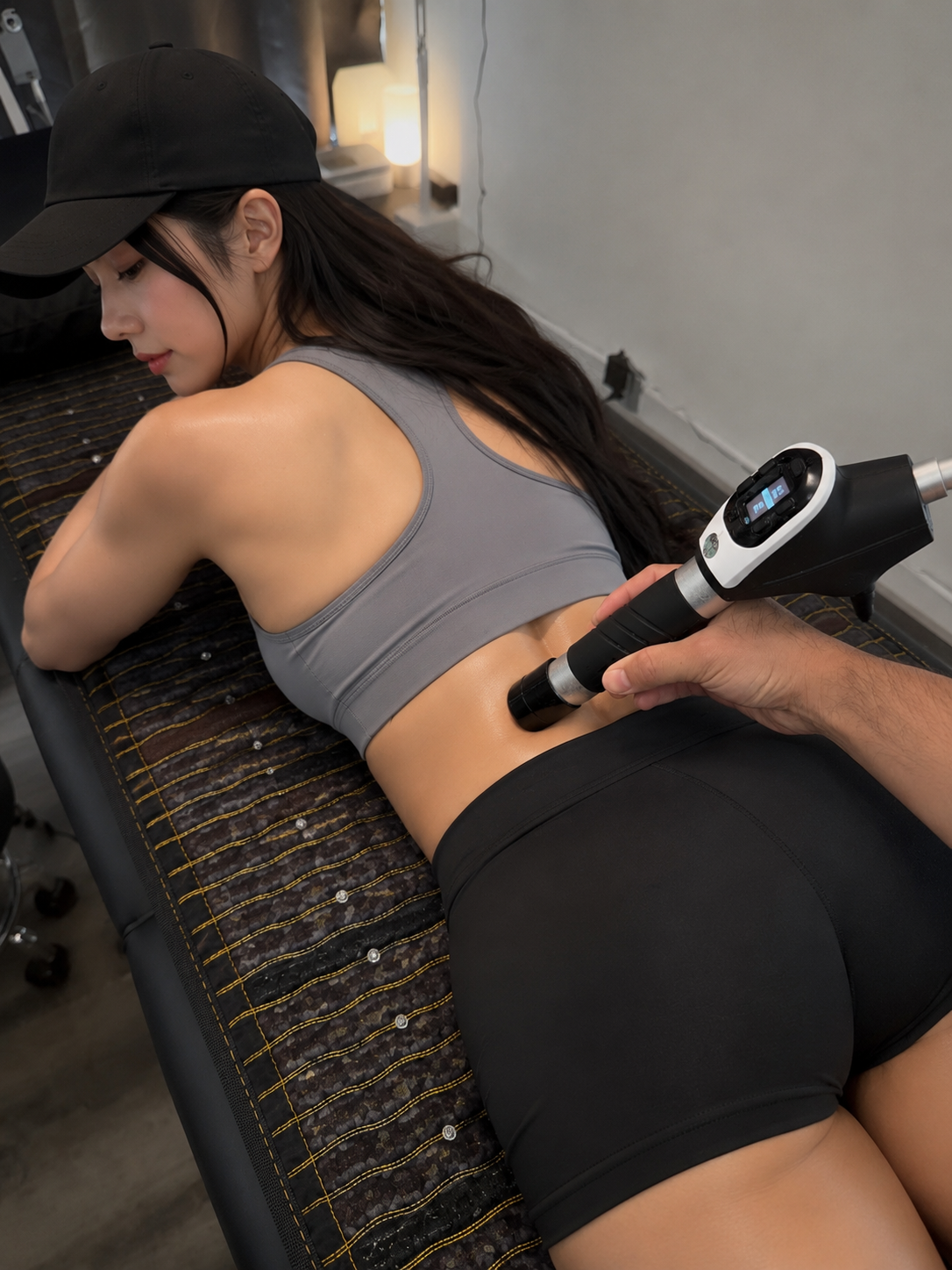
Radial shockwave may be applied to a broader selected paraspinal, gluteal, or related muscular region.
YW Physical Therapy · Step 02
03 · Target
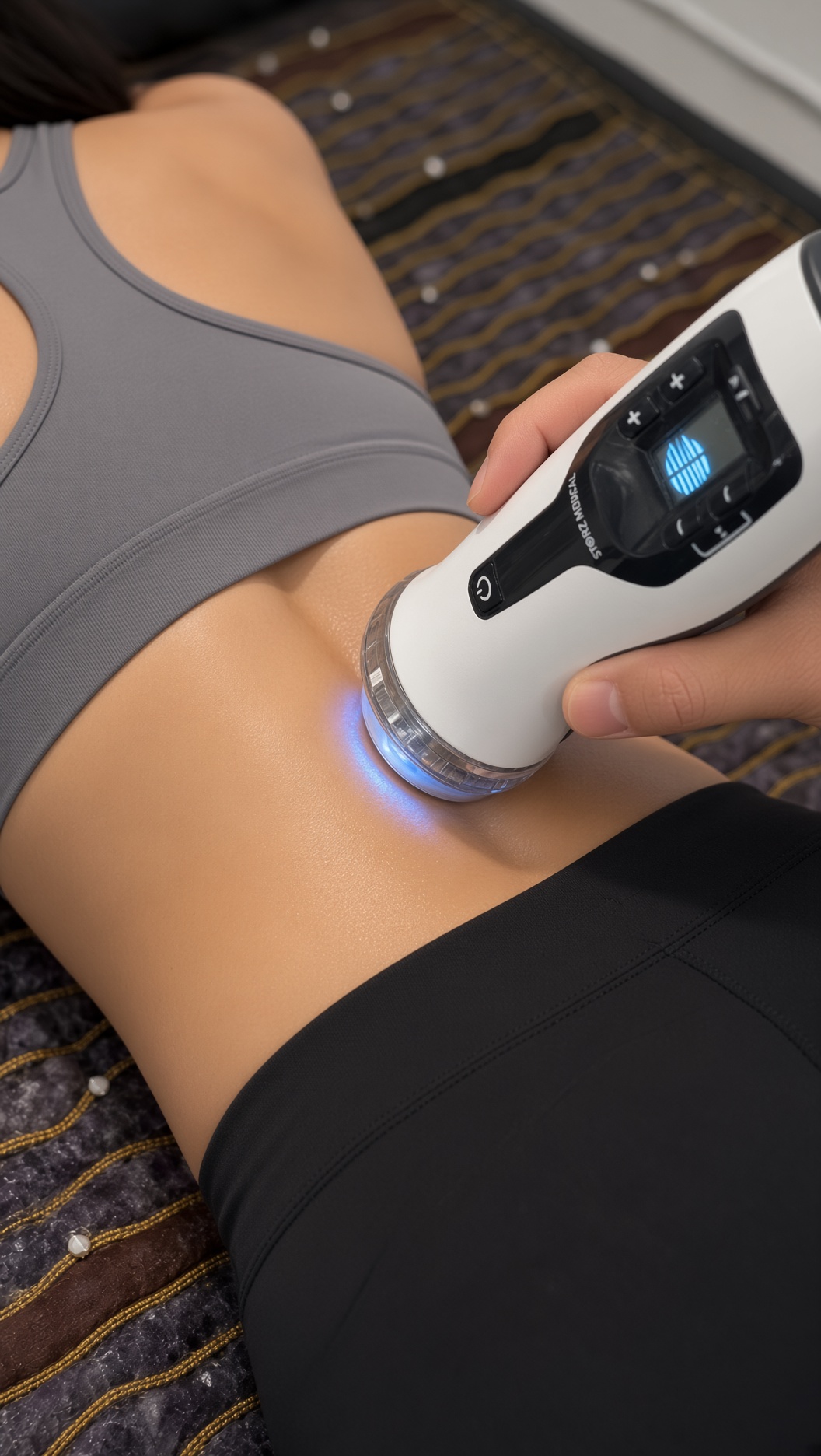
Focused shockwave may be used for a selected localized muscular or soft-tissue treatment area when clinically appropriate.
YW Physical Therapy · Step 03
04 · Recovery
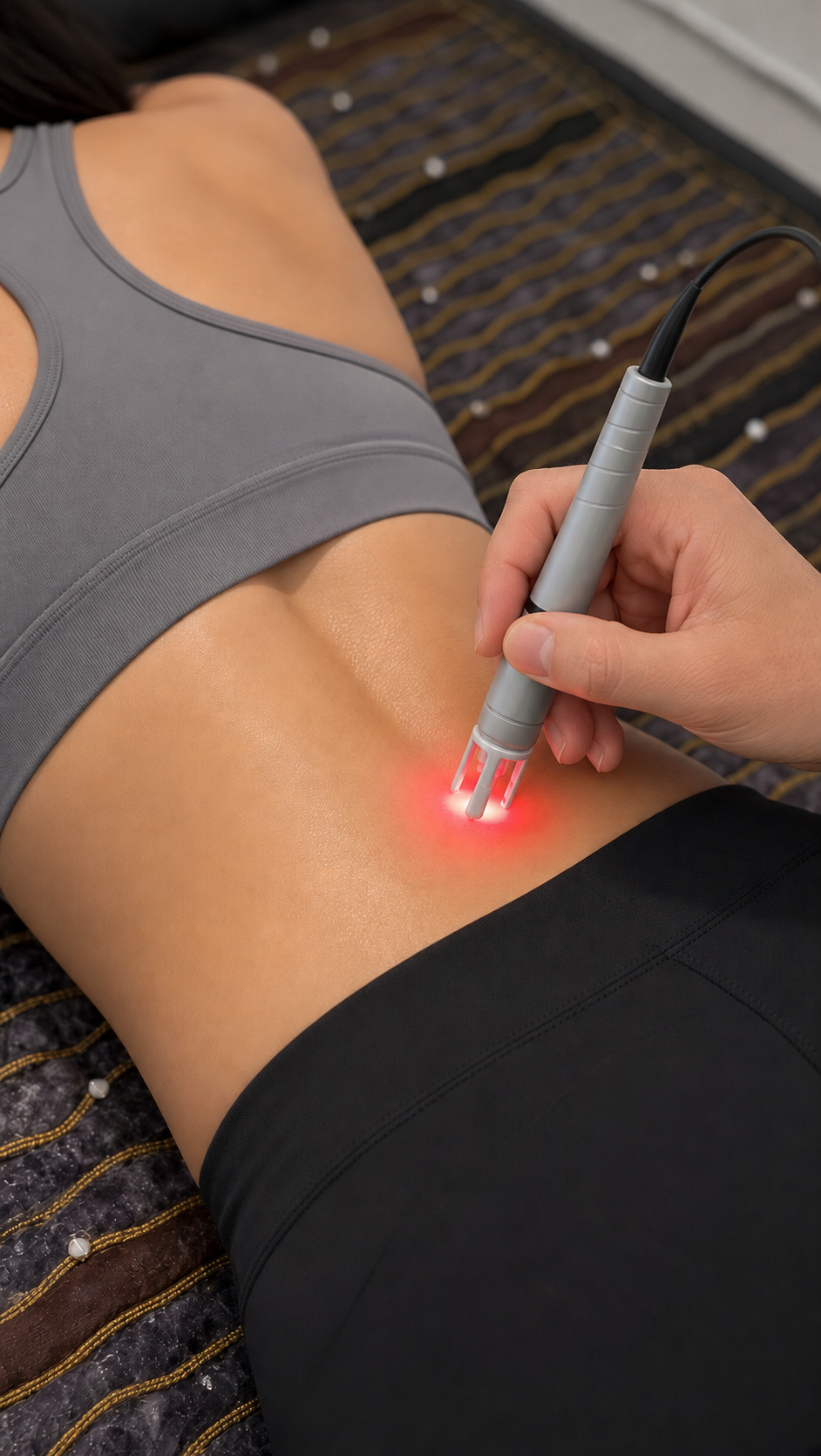
Class IV laser may be applied to the selected treatment region after shockwave as an adjunct.
YW Physical Therapy · Step 04
05 · System
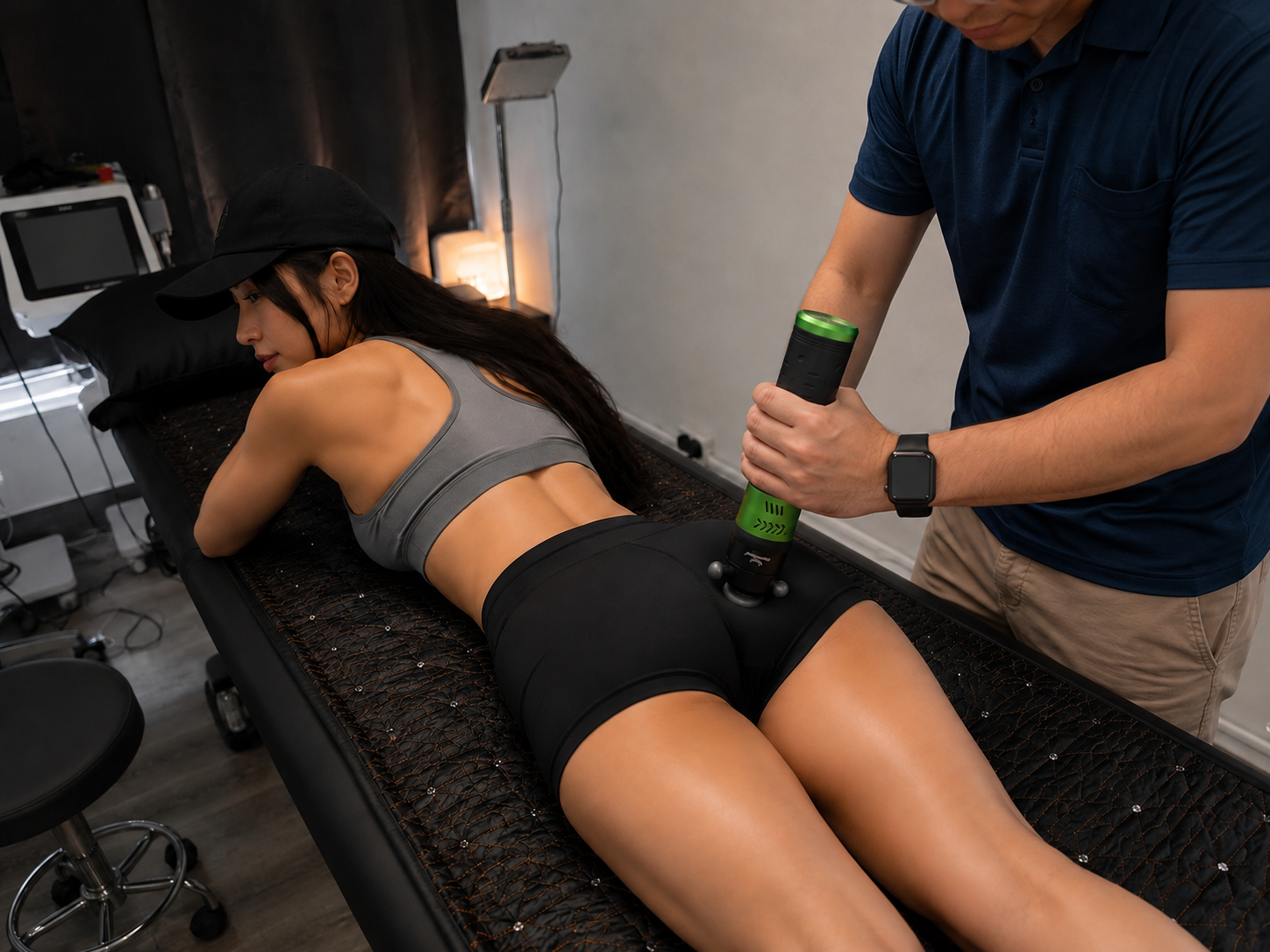
Rapid Release may be used for related paraspinal, gluteal, hip, or thoracolumbar musculature when clinically appropriate.
YW Physical Therapy · Step 05
06 · Rebuild
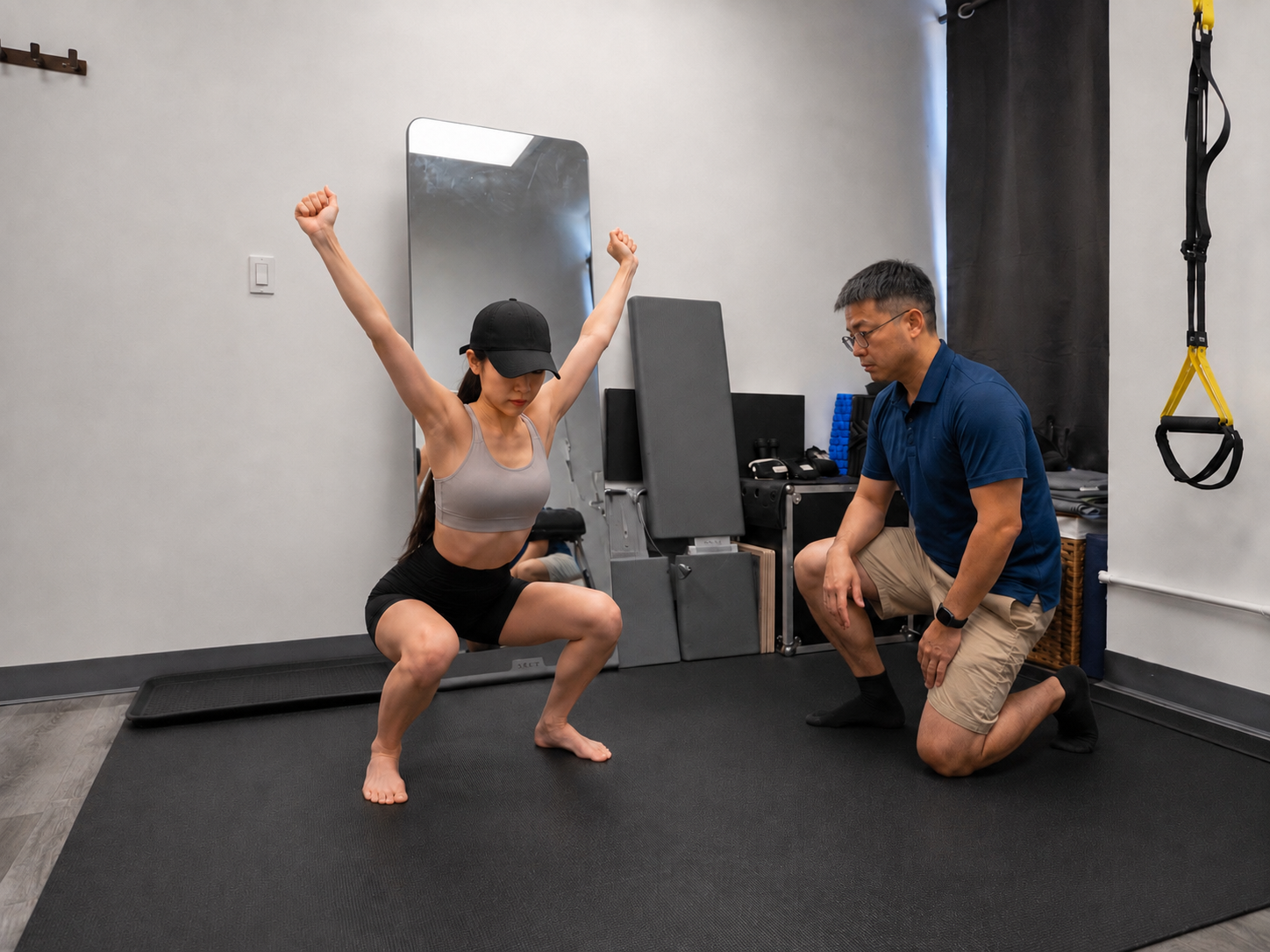
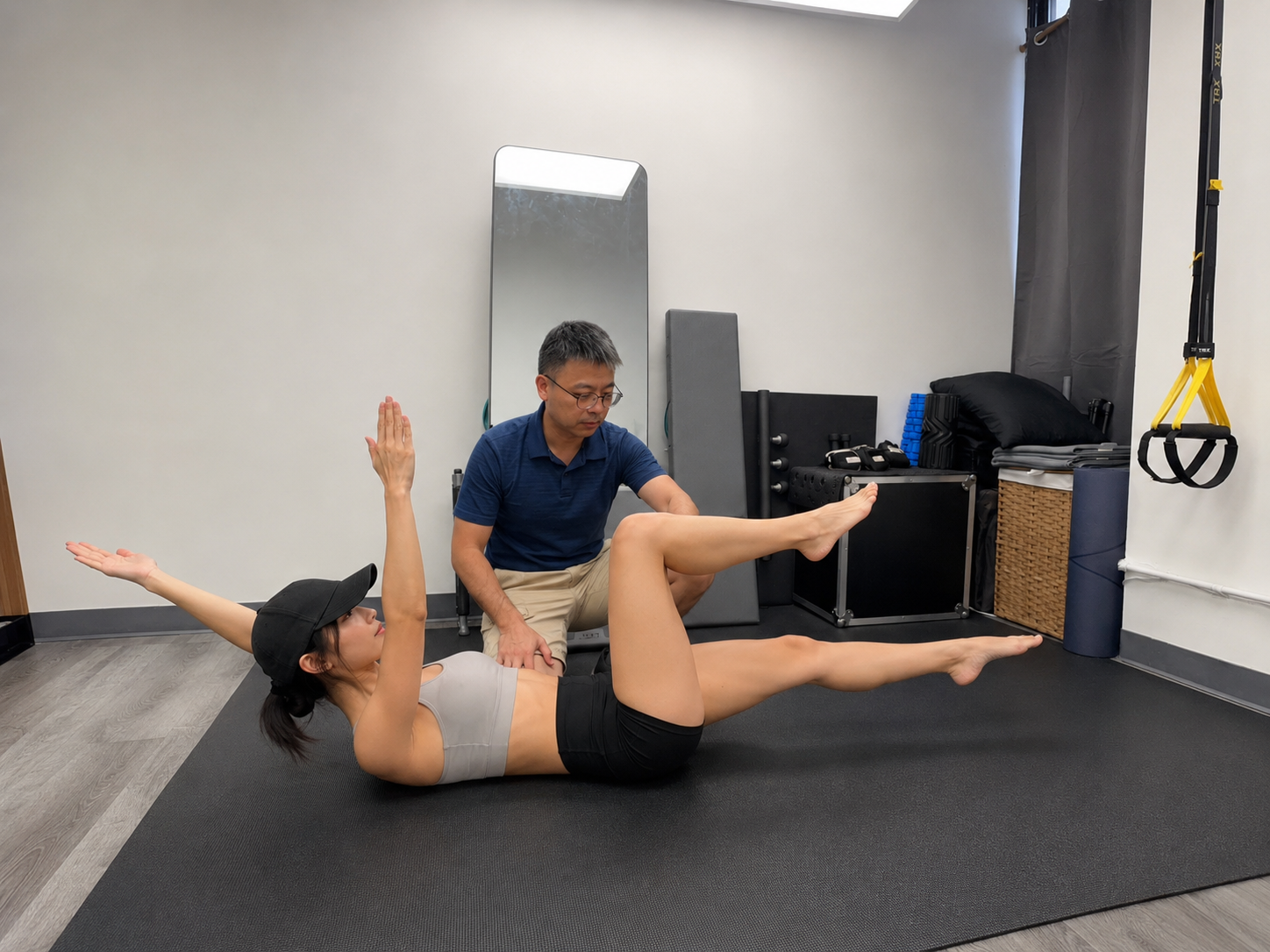
Selected movement and exercise may be used to connect the treatment session with trunk control, hip movement, and the activities that matter to the patient.
YW Physical Therapy · Step 06
How it works
Shockwave therapy delivers acoustic mechanical energy into musculoskeletal tissue. The stimulus may influence processes involved in pain modulation, cellular signaling, circulation-related responses, and tissue remodeling.
It is not appropriate for every condition or every patient. Treatment begins with an assessment to determine whether shockwave is appropriate and which tissues or regions should be addressed.
Mechanical stimulus
Biological response
Pain modulation
Tissue remodeling
Two technologies · Different roles
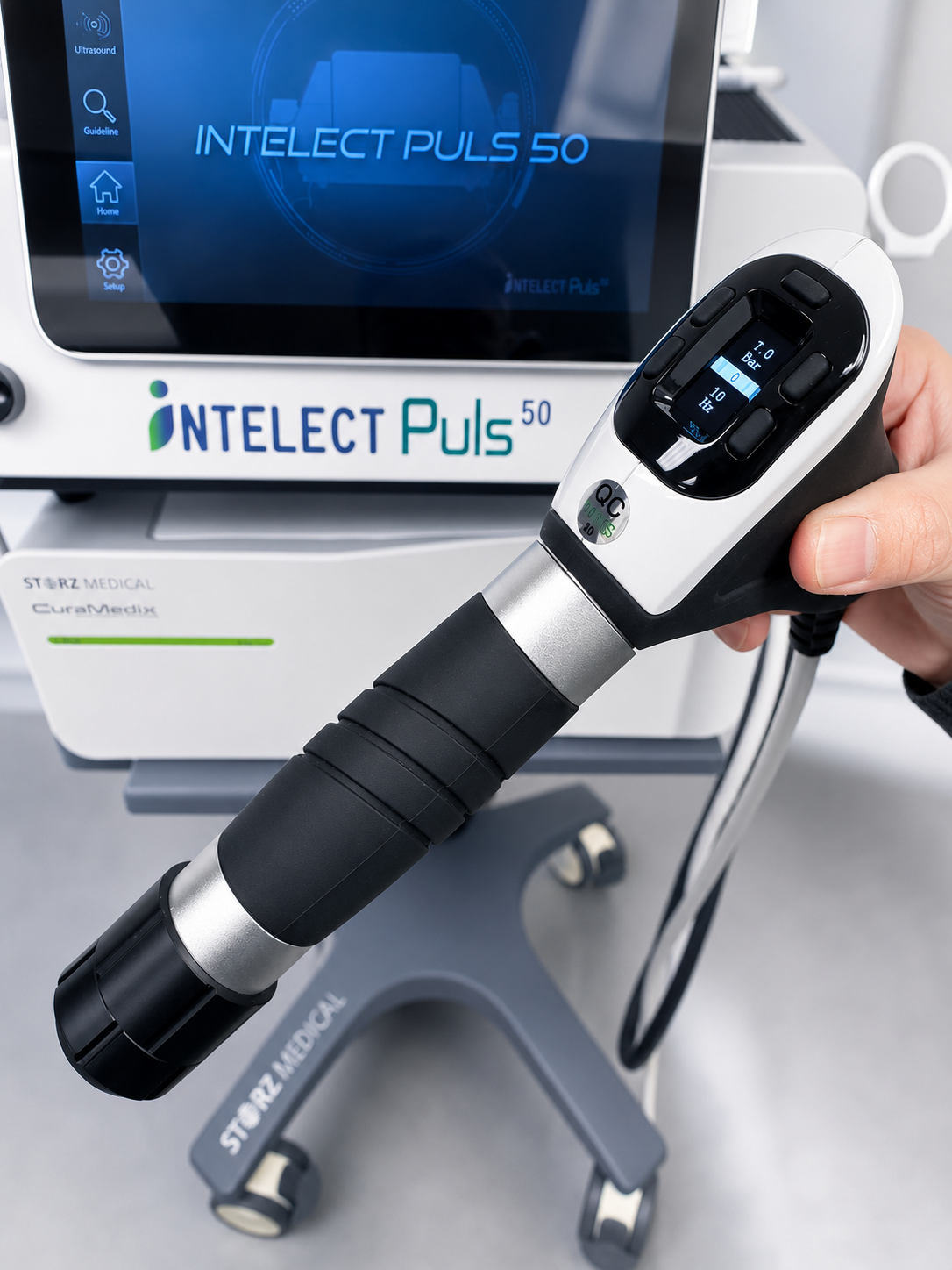
Radial shockwave · Treat the region
Radial shockwave distributes mechanical energy across a broader treatment area. It may be considered when surrounding muscle, fascia, or a larger symptomatic region is relevant.
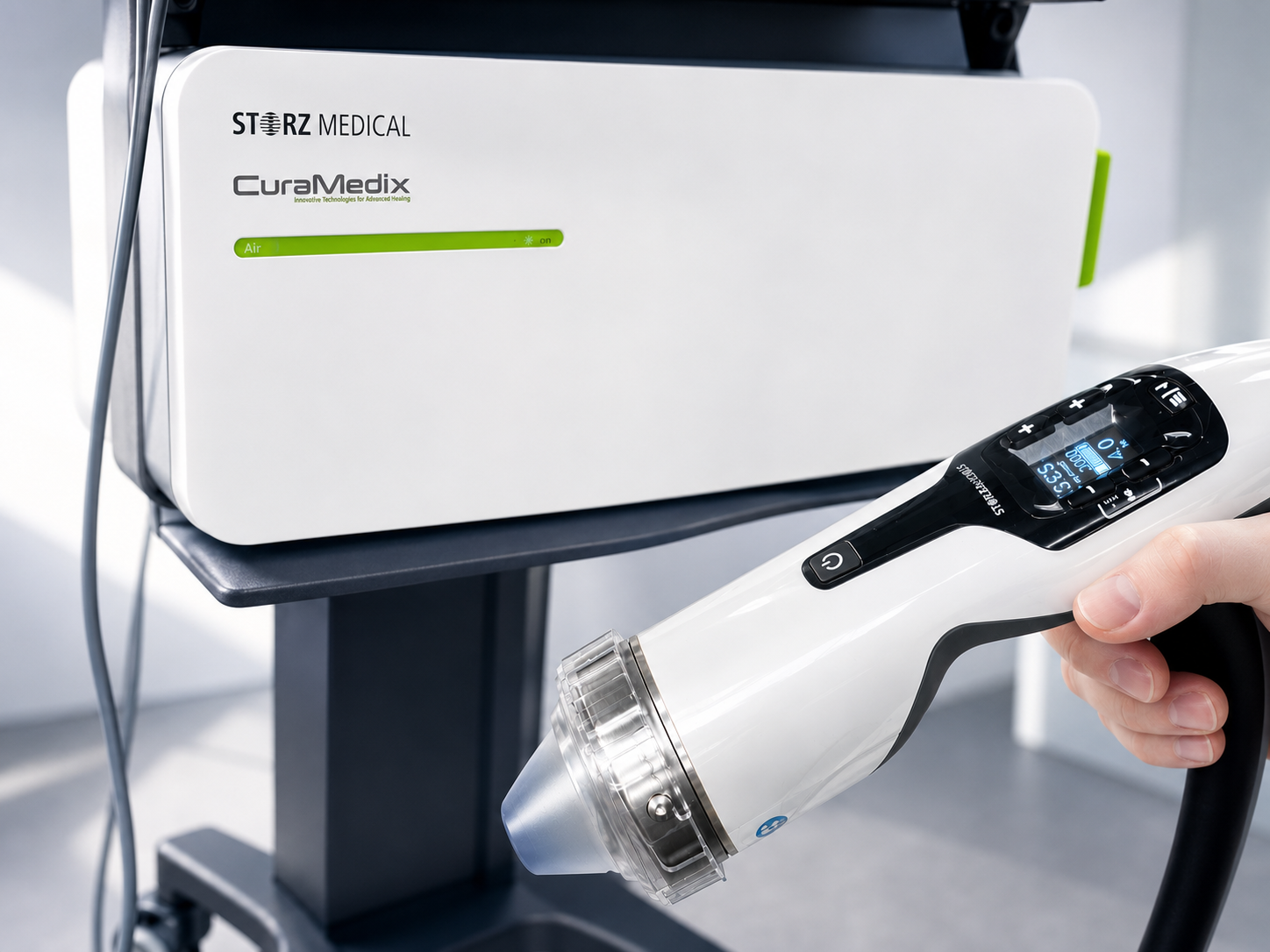
Focused shockwave · Target the area
Focused shockwave allows treatment to be directed toward a more localized and potentially deeper target when the assessment identifies a specific treatment site.
Why YW Physical Therapy
Devices do not determine where treatment should be applied, which type of shockwave should be used, or what should happen afterward. Clinical reasoning matters.
Yu-Kuang (Eric) Wu, PT, PhD
Doctor of Physical Therapy-led care with a rehabilitation science background.
Clinical fit comes first
Shockwave may be discussed only when the examination identifies a selected muscular or soft-tissue contributor that represents an appropriate treatment target.
Shockwave is not appropriate for every diagnosis. A clinical assessment helps determine whether the treatment matches the presentation.
Questions
Treatment can feel strong or uncomfortable depending on the area and sensitivity. Intensity can be adjusted based on tolerance and treatment goals.
Radial shockwave distributes energy across a broader region, while focused shockwave can direct energy toward a more localized treatment target. Either or both may be considered depending on the clinical presentation.
No. Treatment is individualized. The type of shockwave and treatment sequence depend on the assessment and clinical indication.
Post-Shockwave Care is YW Physical Therapy's term for adjunct treatment performed after shockwave. This may include Class IV laser and treatment of related muscular regions when appropriate. It does not imply that this combination is proven superior to shockwave alone.
No. Progressive loading, exercise, movement, and activity management often remain important parts of rehabilitation. Shockwave may be incorporated as one component of a broader plan.
The number of visits varies with the condition, symptom duration, examination findings, response to treatment, and rehabilitation needs.
Shockwave is self-pay. If your plan includes applicable physical therapy benefits, the required evaluation and other eligible PT services may be covered or reimbursable after your deductible is met. Coverage depends on your individual plan.
Assessment before technology
Treatment begins with understanding the presentation—not simply applying a device to the painful area.
YW Physical Therapy · 224 W 35th St #301-5 · New York, NY · Near Penn Station